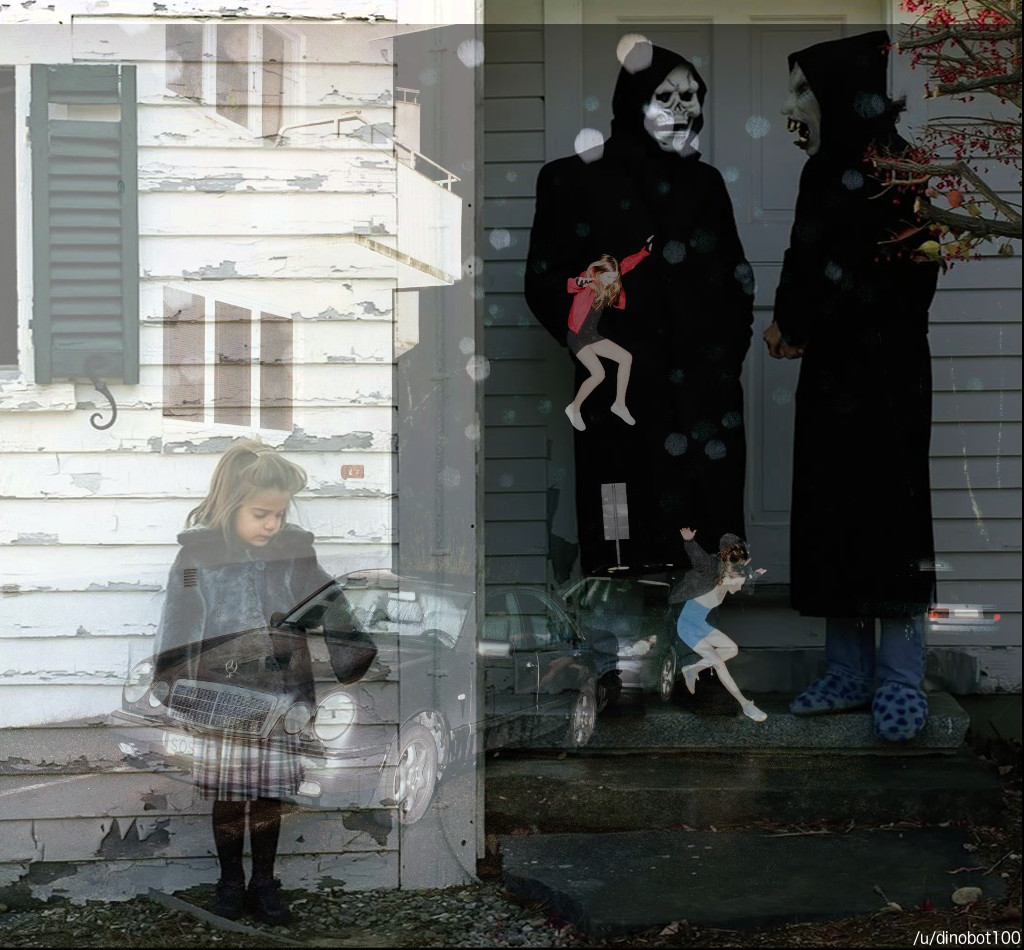
Today I am going to be looking at and comparing two tracks by the same artist. I have chosen “Batter Up” and “Millstone”, both by the band Brand New. “Batter Up” is in the key of E, while “Millstone” is in the key of F#m.
Let’s start by looking at “Batter Up”.
The song is entirely diatonic. All chords stay within the key and the vocal melody stays within the scale. It is in 4/4 and has a tempo of about 80bpm. The song begins with the verse, going back and forth between the IV chord (Amaj7) and the vi chord (C#m7). The chords in the chorus are E, A, B, C#m, and C#m7.
The interesting thing about “Batter Up” is that it sounds as though it is being played in a minor key due to it’s “sad” feel (This is also due to the band’s sound. None of their songs sound particularly “happy”). During the verse, the C#m7 seems to resolve well, but once the Emaj is played in the chorus, we discover that it resolves much better. When we finally hear that E chord, the C#m and C#m7 really feel as though they want to resolve back to E as the tonic. I will also note that the Bmaj chord in the chorus is treated as a V chord, as the chords climb up from I-IV-V-vi and then resolve back to the I when the chorus repeats.
Additionally, because there is such a long buildup to the chorus, the resolution of the E chord’s first appearance at the very beginning of the chorus is almost chilling.
In terms of instrumentation, the song is fairly minimalistic. As far as I can hear, there are two guitars, one acoustic and one electric. There are two main vocal parts, the lead vocal and a higher harmony. There seems to be a bit of subtle bass guitar and some pads as well. Very subtle and minimalistic percussion begins to come in during the second verse. The song is very guitar and vocals dominant, with other instruments added in to fill out the sound and make the song more interesting.
Now let’s take a look at “Millstone”.
The song is almost entirely diatonic, as the vocal melody does not leave the scale and all chords but one are within the key of F#m. It is in 4/4 and has a tempo of about 100bpm.
The song begins with the verse where it goes between the i (F#m) chord and the III (A) chord before moving to the VI (D) and VII (E) chords for the last two lines of the verse, leading into the chorus which returns to the i chord into the III chord. Something that helps keep the chorus harmonically interesting while consisting of only two chords is what the bass guitar is doing. He plays a passing note of E before changing to A, which briefly turns the F#m chord into an F#m7 in 3rd inversion. Additionally, while playing the A chord, the bass guitar briefly plays the E again though this time a couple of times. Because the A chord has an E note in it, the bass player is simply changing the inversion of the chord briefly. Incredibly simple, but very effective in making the same chord sound more interesting.
The bridge is a bit more harmonically interesting. It introduces the iv (Bm) and v (C#m) chords, and then out of nowhere throws a Gmaj chord in there. While the G chord does sound a little out of place in this key, it sounds great in this context as the G is played where the Bm was previously played. These two chords share two common tones: B and D. So you could think of the G chord as a Bm#5. The G moves directly to the C#m chord (v), giving this particular progression a sort of exotic sound.
In terms of instrumentation, there are drums, bass guitar, two electric guitars and vocals. The intro is just bass guitar, then the verse comes in with vocals and a guitar in harmony. The drums and second guitar come in for the chorus, along with backup vocals and harmonies. The second verse is interesting because the drummer introduces a new beat/rhythm to the song, which is revisited during the outro and is played along with the bass guitar, which plays the intro part again.
 Dev P's Rad Blog